Utilize the invoice payment gateway for checkout – order now, pay later. With a Coinsteam business account, you gain access to priority support, increased order limits, and competitive pricing for bulk orders available through quote requests.
Invoice Gateway : Upon placing your order, we will issue an order invoice followed by an invoice payment request, featuring a convenient payment gateway. Choose from flexible payment options including PayPal, Venmo, Apple Pay®, credit cards, debit cards, or ACH bank transfers.
Thank you for being a valued customer. We're looking forward to build steam for your projects.
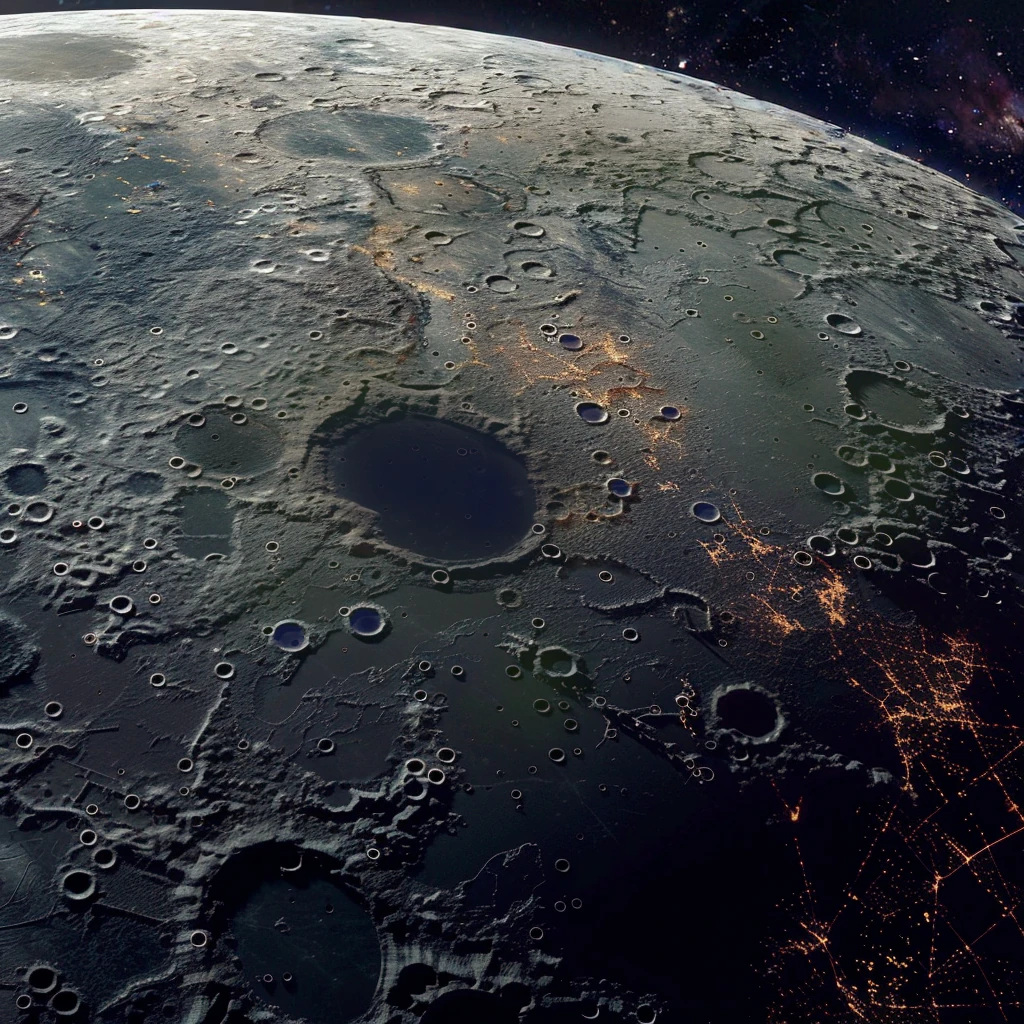
The geopolitical theater of space exploration is witnessing an ambitious and perhaps transformative chapter. Russia and China have solidified their partnership with a plan to establish a nuclear-powered lunar base by the mid-2030s. This coalition, bringing together two of the world’s spacefaring giants, has set sights on the moon. Their aim is to to install a nuclear power station that could revolutionize lunar settlements and possibly lay the groundwork for creating an atmosphere on Earth’s satellite.
At the heart of this interstellar venture is the intention, disclosed by Yuri Borisov, the head of Russia’s space agency Roscosmos, to deploy a nuclear reactor on the lunar surface by 2035. This reactor is not just a source of energy; it represents a beacon of human ingenuity and the endless pursuit of cosmic habitation. The U.S. State Department, while cautious, acknowledges this endeavor, emphasizing the need for a “rigorous” safety evaluation and underscoring the shared history of space exploration between the neighbors.
This lunar ambition is not without its undercurrents of geopolitical strategy. The Institute for the Study of War views this collaboration as a possible strategic alignment between Moscow and Beijing, potentially altering the balance of terrestrial and extraterrestrial power dynamics.
The technological blueprint for the lunar base involves an autonomous, robotically assembled nuclear reactor, a concept that sounds like science fiction but is teetering on the edge of reality. The reactor would not only supply power but could also, theoretically, be pivotal in creating a viable lunar atmosphere.
An intriguing, yet somewhat sinister, perspective arises when considering the historical context of lunar colonization ideas, such as those by Leona Marshall Libby in 1969, which described using nuclear explosions to deliberately break the lunar crust, releasing gases to form a temporary atmosphere and facilitate easier moon base establishment. While the current Russo-Chinese plan does not publicly entertain such drastic measures, the precedent of using nuclear technology for geo-engineering in space stirs a potent mix of scientific potential and ethical dilemmas.
Speculatively, if the installed reactor were used for controlled sub-surface detonations or electrolysis of lunar regolith—which contains oxygen bound in minerals—it could liberate oxygen, thereby contributing to an artificial atmosphere. This process, coupled with the planting of radiation-resistant organisms, could commence the long-term vision of terraforming the moon, making it a secondary cradle for humanity.
Roscosmos and the China National Space Administration (CNSA) have already been working closely, with plans for the International Lunar Research Station (ILRS) signaling their commitment to a shared lunar future. Despite NASA’s exclusion from this Russo-Chinese lunar venture due to diplomatic frostiness, the American space agency continues its own lunar exploration plans, with the Artemis missions aiming to return humans to the moon.
Roscosmos’s consideration of massive nuclear-powered rockets for cargo transfer and CNSA’s advancements with giant reusable rockets underscore the escalating scale of space logistics and infrastructure development. Meanwhile, the mention of nuclear-powered anti-satellite weapons and the ongoing development of space-based technologies by Russia adds a layer of urgency and concern about space militarization.
The international space community watches as the lunar narrative unfolds, with the U.S., Russia, and China all playing pivotal roles in shaping the future of lunar exploration and potential habitation. As these superpowers navigate the cosmos, the moon becomes not just a symbol of scientific achievement but a potential new frontier in the human saga, where nuclear technology might just breathe life into a world beyond our own.


Trending now