Utilize the invoice payment gateway for checkout – order now, pay later. With a Coinsteam business account, you gain access to priority support, increased order limits, and competitive pricing for bulk orders available through quote requests.
Invoice Gateway : Upon placing your order, we will issue an order invoice followed by an invoice payment request, featuring a convenient payment gateway. Choose from flexible payment options including PayPal, Venmo, Apple Pay®, credit cards, debit cards, or ACH bank transfers.
Thank you for being a valued customer. We're looking forward to build steam for your projects.
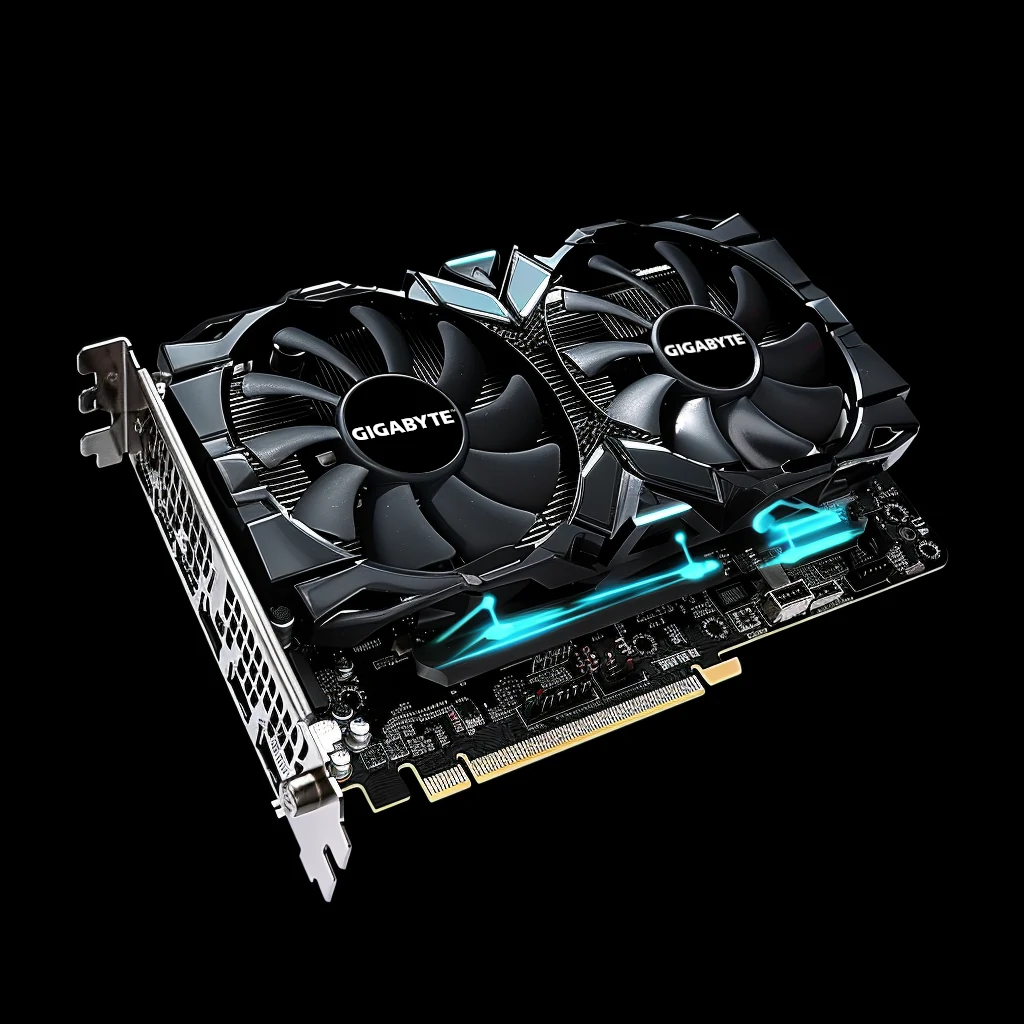
Whispers within the tech community suggest that Nvidia is phasing out its GTX 16-series. Reports from Board Channels, as mentioned by VideoCardz, indicate that the final batches of Turing architecture-based GPUs designated for the GTX 16-series have been distributed to Nvidia’s partners. This development signals a pivotal moment for budget-conscious gamers, nudging them towards alternatives like AMD or Intel, which are known for their competitively priced yet high-quality graphics solutions. The potential discontinuation of the GTX series, after a remarkable 19-year journey, underscores a significant shift in the graphics card landscape.
An interpretation of a Board Channels announcement reveals that a forum participant has come across a Nvidia GPU roadmap, suggesting the GeForce GTX 16-series will be “entirely phased out by the first quarter of 2024.” Partners will continue to manufacture and offer GTX 16-series graphics cards as long as supplies last, a period estimated to be around 1 to 3 months, signaling the dwindling availability of these cards.
Currently, the GeForce GTX 16-series lineup has been reduced to the lower-performing GTX 1630 and the marginally better GTX 1650, with the GTX 1660 variants having been discontinued earlier. Despite the impending phase-out, Nvidia plans to support these GPUs with updated drivers for several more years, although their performance has been lacking for some time now.
With the eventual sell-out of the GTX 1630 and GTX 1650 models, the most affordable Nvidia GPU option will be the recently launched RTX 3050 6GB. This introduction, alongside the strategic decision outlined in the roadmap, might hint at a deliberate timing or possibly indicate the introduction of more entry-level GeForce RTX cards, such as a RTX 4050 for desktop PCs.
The GTX brand made its debut with Nvidia’s GeForce 7800 GTX in 2005, initially serving as a suffix before taking a more prominent position at the start of product names with the GeForce GTX 280 in 2008. This branding strategy prevailed until the emergence of the RTX 20-series a decade later, though the GTX moniker returned in 2019 with the launch of the more budget-friendly GTX 16-series, which lacked advanced RTX features like ray tracing and tensor cores.
Despite sharing the Turing architecture, the GTX 16-series was differentiated by its reduced silicon size and capabilities, with the largest GTX chips being significantly smaller than the smallest RTX offerings. The disparity in technology and performance signaled a clear direction away from the GTX branding.
With the introduction of the Ampere architecture and the RTX 30-series GPUs, Nvidia opted not to continue the budget-friendly GTX line. The RTX 3050 8GB served as the entry-level option until the arrival of the RTX 3050 6GB, which came after the release of the RTX 40-series. Given Nvidia’s emphasis on advancements in ray tracing and AI, the future seems to steer clear of the GTX series. Assuming the rumors regarding the cessation of Turing TU117 production are accurate, it indeed signifies the conclusion of an impactful era in graphics technology. Thus, we bid farewell to the GTX series, commemorating its substantial contribution to gaming and graphics.


Trending now