Utilize the invoice payment gateway for checkout – order now, pay later. With a Coinsteam business account, you gain access to priority support, increased order limits, and competitive pricing for bulk orders available through quote requests.
Invoice Gateway : Upon placing your order, we will issue an order invoice followed by an invoice payment request, featuring a convenient payment gateway. Choose from flexible payment options including PayPal, Venmo, Apple Pay®, credit cards, debit cards, or ACH bank transfers.
Thank you for being a valued customer. We're looking forward to build steam for your projects.
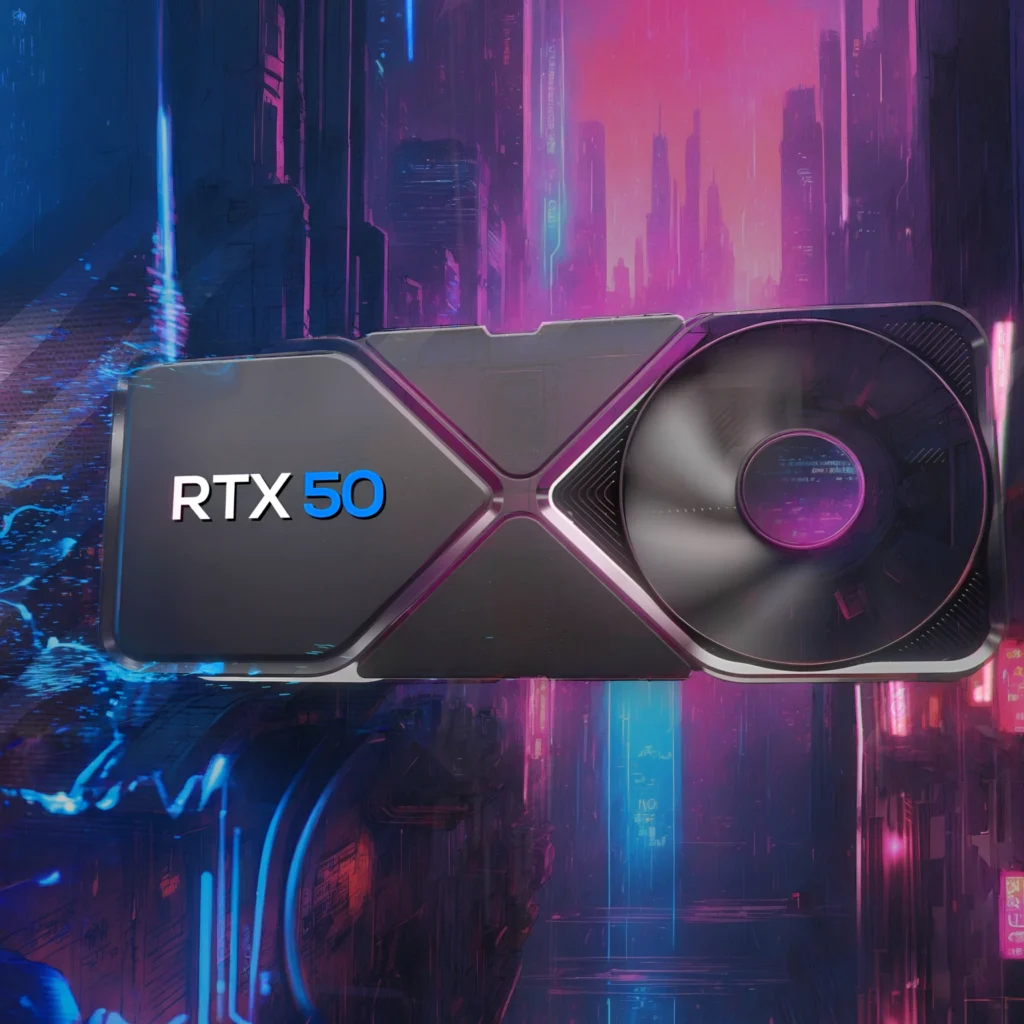
Nvidia is gearing up to launch its next generation of GPUs: the RTX 50-series. Despite the underwhelming recent refresh of the RTX 40-series, Nvidia is not slowing down. Here’s what we know about the upcoming RTX 50-series, covering everything from specs and architecture to pricing and potential release dates.
Release Date and Pricing:
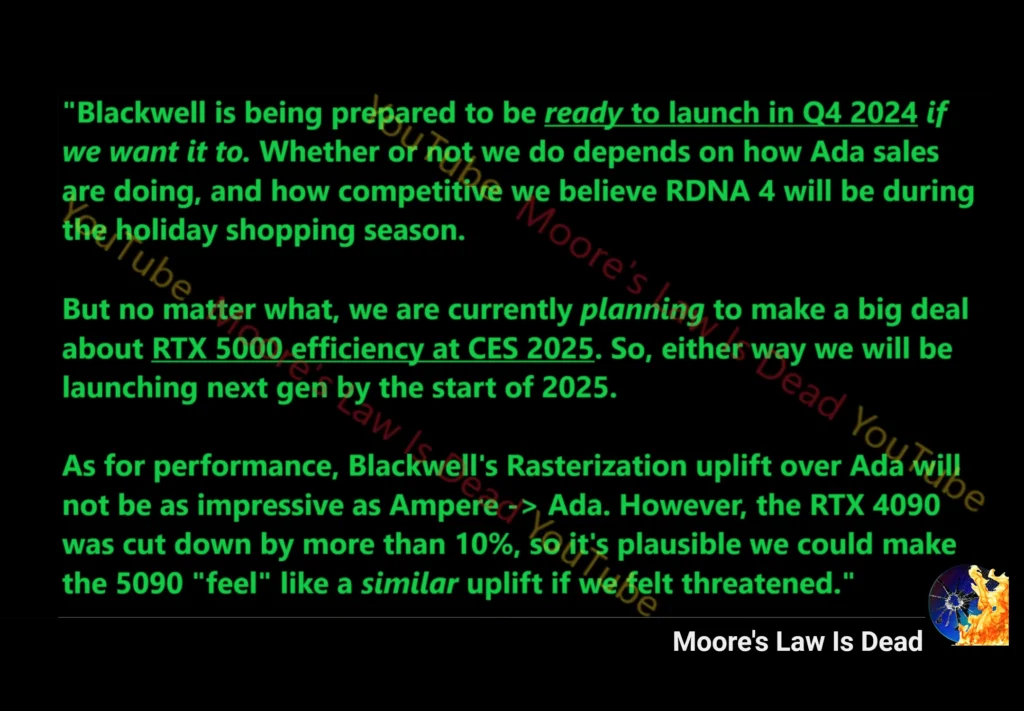
While Nvidia has not officially announced the release date for the RTX 50-series, most estimates suggest a launch between the end of 2024 and the beginning of 2025. According to YouTuber and leaker Moore’s Law Is Dead, Nvidia may have Blackwell ready for launch in the fourth quarter of 2024, depending on the competitiveness of AMD’s upcoming RDNA 4 GPUs and the sales performance of the current Ada Lovelace lineup.
A report from UDN suggests that Nvidia might employ a similar launch strategy for Blackwell as it did for Ada, with the RTX 5090 launching first in the final quarter of 2024, followed by the RTX 5080 a few weeks later. More budget-friendly cards would then be released in early 2025.
As for pricing, it is still too early to make concrete predictions. However, given the high demand for AI GPUs and the current pricing trends, the RTX 5090 could potentially cost close to $2,000, with the rest of the lineup following suit with price increases. That said, there is hope that Nvidia will keep its pricing more reasonable to remain competitive against AMD.
Specs and Architecture:
Nvidia RTX 50-series
Process node
TSMC 3nm or TSMC 5nm (N4P)
Architecture
Blackwell
Chip
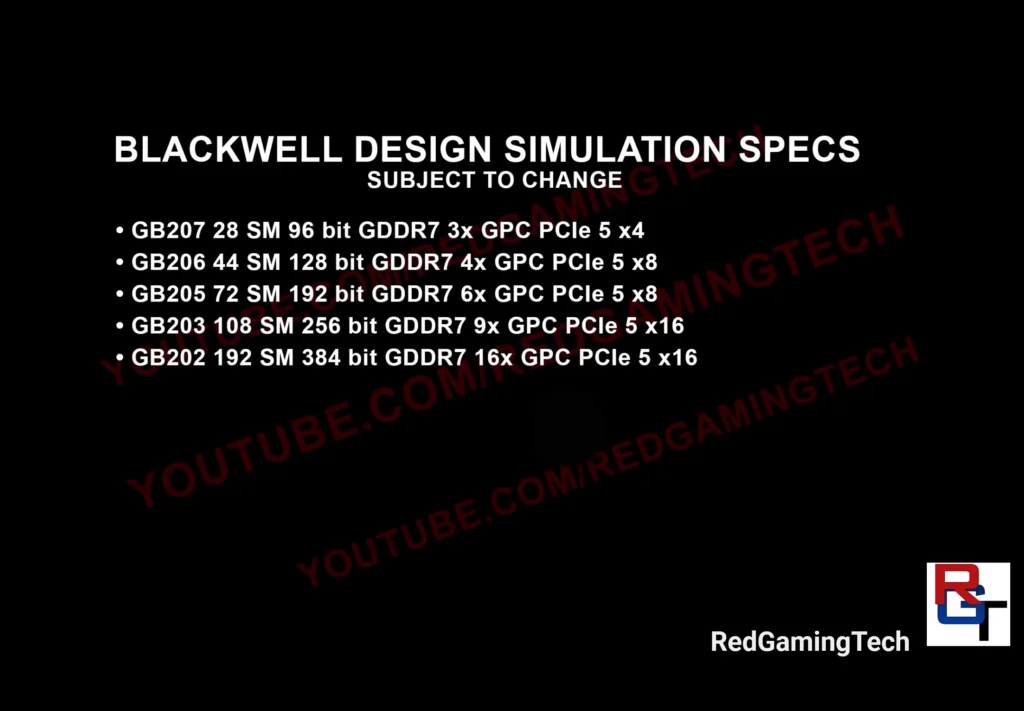
GB202, GB203, GB205, GB206, GB207
Memory type
GDDR7
Maximum bus width
384-bit/512-bit
Display connectors
DisplayPort 2.1, HDMI 2.1
The RTX 50-series, based on the Blackwell architecture, is expected to be manufactured by TSMC using either a 3nm or 5nm (N4P) process node. The lineup will likely include chips ranging from the high-end GB202 to the entry-level GB207, with the possibility of the RTX 5070 and 5070 Ti utilizing the GB205 chip.
Kopite7kimi, a talkative source on X, has been actively sharing details about the RTX 50-series. According to their insights, the upcoming GPUs will introduce support for DisplayPort 2.1 and HDMI 2.1, features that were not available in the previous Lovelace series.
Rumors also point to architectural changes in Blackwell, including a redesign of Nvidia’s streaming multiprocessors (SMs), the addition of a decompression engine, and a dedicated denoising accelerator. While initial speculation hinted at a potential multi-chip module (MCM) design, recent updates suggest that Nvidia has decided against this approach for the RTX 50-series.
GDDR7 Memory and Bandwidth:
The current consensus is that the 50-series will use GDDR7 memory, which offers target speeds of up to 36Gbps. This represents a significant increase over the GDDR6X and GDDR6 memory used in the existing RTX 40-series. Even if Nvidia clocks the memory lower, at around 32Gbps, this will still provide a substantial boost to memory bandwidth across all card tiers.
GDDR7 also offers the potential for higher memory capacities, with 16Gb (2GB) chips in production and 24Gb (3GB) chips on the horizon. This could allow for more flexible memory configurations, such as 18GB on a 192-bit interface or 24GB on a 256-bit interface. The flagship chip may feature a 512-bit memory bus, delivering up to 1.8TB/s of memory bandwidth.
Blackwell Architectural Updates:
While specific details about the Blackwell architecture are scarce, it is assumed to include various updates and enhancements over the previous Ada Lovelace architecture. Nvidia has consistently increased ray tracing performance with each RTX generation, and Blackwell is likely to continue this trend.
The data center Blackwell B200 GPU features reworked tensor cores with native support for FP4 and FP6 numerical formats, which could also be present in consumer GPUs. Other potential improvements include enhancements to the Optical Flow Accelerator (OFA) used for DLSS 3 frame generation and increased raw compute performance for both graphics and general workloads.
Power Draw:
Power consumption has been a hot topic for high-end GPUs, with the RTX 4090 consuming up to 450W and its 12VHPWR connector supporting up to 600W. For the RTX 50-series, rumors suggest that Nvidia may introduce a new 16-pin connector, although this has been disputed by some sources.
Assuming Nvidia sticks with the 12VHPWR connector, the maximum power draw will likely remain at 600W, with the RTX 5090 potentially consuming up to 500W to allow for overclocking headroom. For the rest of the lineup, Nvidia may opt for more conservative power consumption to remain competitive with AMD’s RDNA 4.
Speculative Specs:
Given the limited official information available, many of the rumored specifications for the RTX 50-series are speculative. Some leakers suggest that the flagship GB202 chip could have either a 384-bit or 512-bit memory interface, while others propose the possibility of a dual-chip solution using NV-HBI, similar to the data center Blackwell B200.
The Blackwell 50-series is shaping up to be an exciting release for GPU enthusiasts and professionals alike. With potential improvements in performance, ray tracing capabilities, and memory bandwidth, these new graphics cards could set a new standard for high-end gaming and workstation applications. However, until Nvidia officially announces the specifications and release date, much of the information surrounding the RTX 50-series remains speculative.
2 Comments
Thanks for the breakdown — the comparisons were particularly useful.





Thanks for the breakdown — the comparisons were particularly useful.
I found this very helpful, thanks.